


February 26, 2025
smilearticles
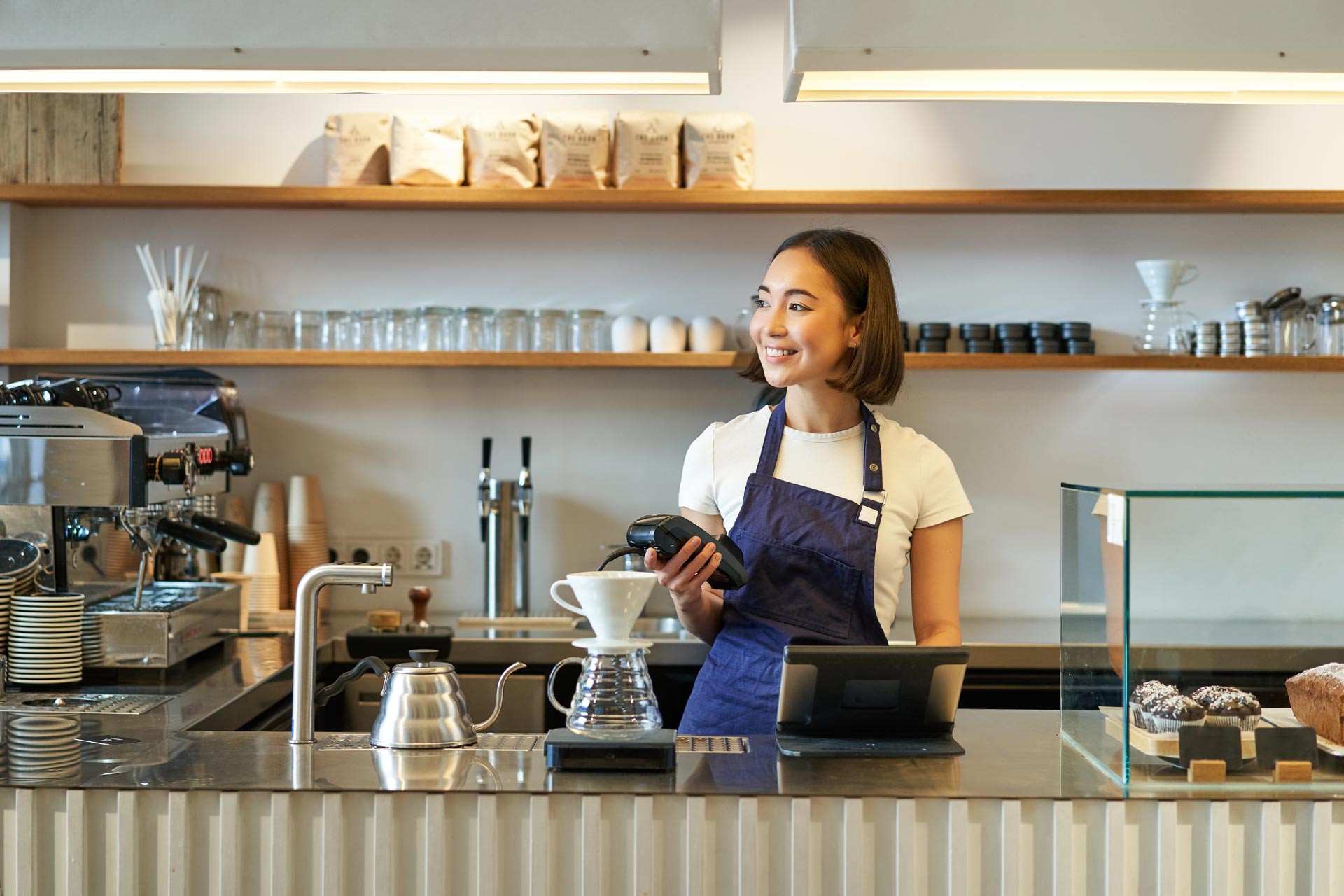
In recent years, the way people handle money has changed a lot. One of the biggest changes is the rise of contactless payments, which has now become the usual way to pay, especially after the pandemic. What was once considered a cool or fancy feature is now a key part of daily life for many people and businesses. In this article, we’ll explore how contactless payments have grown, why they are more important than ever, and why using them is not just smart, but essential in today’s world.
Before the pandemic, contactless payments were slowly becoming more common.
Big companies like Apple, Google, and Samsung were already making digital wallet options.
Banks were also offering cards with NFC technology, and stores were putting up tap-to-pay machines in cities. However, even with these changes, not many people used them—until the pandemic started.
With social distancing rules in place, touching things like cash registers and keypads became a worry.
People wanted a way to pay that was safer, faster, and cleaner.
That’s when contactless payments really started to become popular. From buying groceries to getting gas, and from shopping to eating out, businesses quickly adjusted to meet this new need.
The pandemic changed how we think about everyday contact.
Touching money or card readers, which used to feel normal, now felt risky.
Contactless payments offered a better option. By just tapping a card or phone on the machine, customers could avoid touching anything at all.
This no-touch method made people feel safer, especially during the busiest times of the pandemic.
It became clear that contactless payments are not just a temporary trend, but a necessary change driven by health concerns.
Another big advantage of contactless payments is how quick they are.
Unlike older card types that take time to process, contactless payments happen almost instantly.
This is especially helpful in busy places like subways, cafes, and supermarkets.
Shoppers don’t have to search for their wallet or type in a PIN.
Just a quick tap and they’re done.
For businesses, this means less time waiting in line and faster service—important things in today’s fast-paced world. In short, contactless payments are all about making things easier and more efficient.
The global move towards contactless payments has become the new standard, especially after the pandemic. It’s not just happening in big cities or tech-savvy countries. This trend is now spreading to rural areas, small businesses, and developing countries. Examples like Africa’s M-Pesa and Asia’s QR code systems show how contactless payment systems can work well in different parts of the world.
You can now pay by phone at restaurants, have fares automatically taken from your app on ride-hailing services, and use tap-to-pay options at vending machines and parking kiosks.
Contactless payments have become part of everyday life.
Some people think contactless payments are not secure, but that’s not true.
These systems use advanced security like tokenization, facial recognition, and biometric checks. When you pay with your phone, your real card number isn’t sent. Instead, a special one-time code is used, which makes it harder for hackers to steal your data. These strong security features confirm that contactless payments are both easy and safe.
Consumer habits have changed a lot.
People now value cleanliness, speed, and ease. Many see contactless payments as a sign of modern, efficient, and healthy living. Having contactless options can influence where people choose to shop or service providers.
Businesses that offer contactless payment methods are seen as caring and safe, which builds trust and keeps customers coming back.
Contactless payments are shaping new customer expectations and helping brands grow loyalty.
Using contactless payments also means less waste.
Fewer paper receipts, coins, and plastic cards are needed, making it better for the environment. This eco-friendly approach is especially popular among younger, environmentally conscious consumers. To them, contactless payments aren’t just convenient—they show a commitment to the planet.
Contactless payments are moving beyond just phones and cards.
Technologies like wearables, smart assistants, and AI-based face recognition are now part of the contactless payment network. As 5G and AI continue to advance, contactless payments will become even faster, smarter, and smoother. This seamless experience will keep more people using them.
Businesses are noticing the advantages of contactless payments.
Handling less cash reduces errors and costs. Faster checkouts improve customer satisfaction and cut down on wait times, especially during busy periods. These systems also provide real-time data that helps merchants understand their customers better, which can improve sales and marketing efforts.
Governments and banks have helped push contactless payments forward.
Countries like the UK, Australia, and Singapore have increased spending limits and run campaigns to encourage use. Some governments even give support to help small businesses update their payment systems. Banks are also offering new cards with NFC technology and rewards for using contactless payments.
Contactless payments are helping bring more people into the financial system.
In areas where traditional banks are scarce, mobile and contactless platforms give people a way to take part in the economy. This is especially true in places where many have smartphones but few have bank accounts.
Offering contactless payment options can help a business stand out.
Today’s customers look for convenience, safety, and innovation. Companies that adopt contactless payments show they care about modern values and customer needs. This can build brand loyalty and position the company as forward-thinking.
Public services, including transportation and healthcare, are also using contactless payments.
People can now pay for transit by tapping their cards or phones at turnstiles. Some healthcare services let patients pay with their phones or make appointments without meeting in person. This modernization makes public services more efficient and transparent.
With ongoing innovation and strong support from institutions, contactless payments are becoming the standard for everyday transactions. As more businesses and customers adopt this technology, it will change how we pay, how businesses operate, and how economies develop in the years to come.
From a business perspective, contactless payment systems offer a cost-efficient solution. They reduce cash-handling expenses, improve transaction speed, and provide better data analytics. Merchants are able to monitor customer purchasing patterns, peak business hours, and top-selling products in real-time.
Additionally, many contactless systems integrate with loyalty programs, allowing for targeted promotions and rewards. As contactless payments: the new normal in a post-pandemic world, businesses that resist upgrading their systems risk falling behind competitors.
Governments and central banks are also playing a role. Many have raised contactless payment limits, subsidized terminal upgrades, or launched public awareness campaigns. Central banks in countries like the UK, Australia, and Singapore have noted spikes in contactless transactions post-pandemic.
Financial institutions are redesigning cards with NFC technology as standard. Some even offer incentives for using contactless options. This support ensures that contactless payments: the new normal in a post-pandemic world will be around for the long haul.
Even micro and small businesses are seeing the benefits. With affordable devices like Square, SumUp, and mobile POS systems, it’s now easier than ever to go contactless. Farmers’ markets, street vendors, and artisans can accept card payments with a smartphone and a small reader.
These tools empower entrepreneurs, allowing them to serve more customers and increase sales. As contactless payments: the new normal in a post-pandemic world, small business owners are finding new paths to growth and resilience.
Starbucks – Introduced mobile order & pay to minimize lines. Now a major driver of revenue.
Transport for London – Uses tap-to-pay for subways and buses, speeding up boarding times.
China’s Alipay and WeChat Pay – are leading the digital payment landscape through their widespread use of QR code-based contactless solutions.
Nordic Countries – 80%+ of all purchases in Sweden are contactless, setting a global benchmark.
Each case illustrates that contactless payments: the new normal in a post-pandemic world work across diverse economies and cultures.
Despite the progress, challenges remain. Not all areas have reliable internet. Some users, especially seniors, may find the tech confusing. Privacy concerns also persist, although they’re often exaggerated.
Educating consumers and providing simple, accessible tools can bridge the gap. For skeptics, businesses must demonstrate that contactless payments: the new normal in a post-pandemic world are safe, easy, and beneficial.
Marketing teams must now prioritize messaging around hygiene, convenience, and security. Ads, packaging, and in-store displays should all promote contactless options. Retailers who train their staff to guide users through contactless transactions will benefit most.
The narrative should always focus on how contactless payments: the new normal in a post-pandemic world are part of a smarter, healthier lifestyle.
In the years ahead, we can expect even more innovation. Blockchain-based payments, biometric authentication, and augmented reality shopping experiences will reshape the retail environment.
But regardless of what’s next, one thing is clear: contactless payments: the new normal in a post-pandemic world will continue to evolve and expand. Businesses and consumers must stay informed, agile, and open to change.
There’s no going back. The events of the last few years have cemented a new standard. What started as a response to a health crisis has turned into a movement. Consumers now expect faster, safer, and smarter ways to transact. Retailers that offer contactless options are more likely to win their trust.
To summarize, contactless payments: the new normal in a post-pandemic world are:
Safer for both customers and employees
Faster and more convenient
Environmentally friendly
Secure and data-protected
Widely supported across sectors
The shift is here—and it’s not temporary. It’s time to embrace this evolution in full.