

Introduction: When the Supermarket Runs Empty
Three days without restocking. That’s all it takes for grocery store shelves to look like they’ve been picked clean by locusts.
You’ve probably seen it. Panic buying during the pandemic. Supply chain issues creating empty aisles. Inflation making staples unaffordable. These aren’t doomsday fantasies anymore—they’re headlines.
Most families assume they’ll always have access to the food supply they rely on. But what happens when that assumption breaks down? Not dramatically, like a total collapse. Just… normally. A distribution interruption. A price spike. A week where you need to stretch what you’ve got at home.
That’s where forgotten survival foods come in. I’m not talking about MREs or freeze-dried meals. I mean the real foods that kept humans alive through wars, famines, and hard winters. The kind of foods that don’t require electricity, don’t spoil, and actually taste like something.
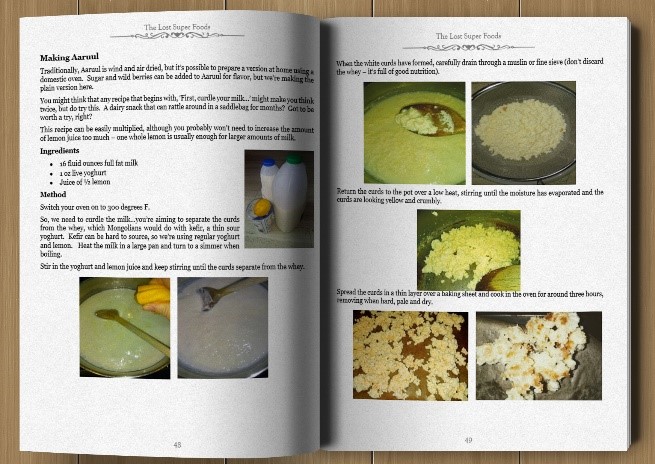
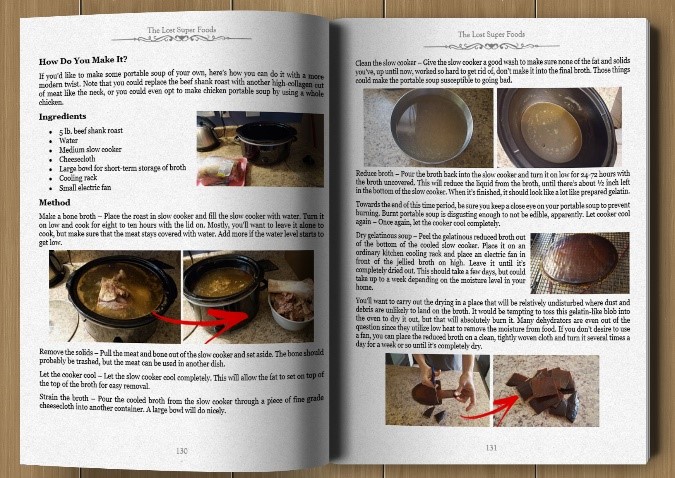
The Lost Superfoods book teaches you what those foods are and how to use them. It’s a 271-page guide that walks through over 100 forgotten foods and preservation methods, with actual recipes and storage instructions. Not theory. Not filler. Real, usable information from historical survival practices.
If you’re curious whether this book lives up to the hype, or you’re wondering if learning about forgotten foods actually matters to you and your family, let’s dig in.
What Exactly Is “The Lost Superfoods”?
The Lost Superfoods is a survival food guide written to help modern families remember what previous generations knew: how to eat well without depending entirely on the modern food system.
The book focuses on three main areas:
- Forgotten foods that are nutrient-dense and shelf-stable
- Historical preservation methods that still work today
- Budget-friendly ways to store calories without spending a fortune
It’s not written by some paranoid prepper living in a bunker (though preppers love it). The book is created by Claude Davis, a health writer who spent years researching historical survival foods, Cold War ration strategies, and what actually kept people alive during food shortages throughout history.
What makes it different from other survival food books is the focus on practicality over fear. The book doesn’t try to scare you into buying gold coins or a generator. It teaches you which foods your grandparents probably knew about, why they work, and how to actually prepare them in your kitchen right now.
The book became popular because it answers a real question people have started asking: “What did people eat before everything was shipped from across the country?”
Why Modern Food Systems Make People Nervous (And Should)
Before we talk about what’s inside the book, it’s worth understanding why this matters.
Your food supply chain is fragile. Not in a collapsing-civilization way. In a normal, functional-infrastructure-is-surprisingly-delicate way.
The average grocery store has three days of inventory. That’s it. Everything else is in transit or in a warehouse somewhere. If trucks stop rolling for a week, shelves empty. If a port closes, certain foods disappear. If fertilizer supplies get disrupted, prices spike.
Inflation has made this real for families. Food prices went up 25% in some categories over just a few years. Suddenly, the budget groceries your parents bought for five dollars cost eight.
We’ve also developed something the food industry calls “just-in-time” supply. Instead of storing extra inventory, companies deliver food when it’s needed. It’s efficient. It also means there’s almost no buffer if something goes wrong.
Then there’s the quality problem. Modern processed foods are engineered for shelf stability and profit, not nutrition. They’re full of preservatives, added sugars, and ingredients designed in a lab. A lot of people are genuinely concerned about eating like that long-term.
This is where the forgotten foods angle comes in. For most of human history, people couldn’t run to the store every three days. They had to figure out how to keep their families fed using:
- Foods that lasted months or years without refrigeration
- Preservation methods they could do at home
- Simple ingredients that actually nourished people
Learning these skills isn’t paranoid. It’s basic self-reliance. The book teaches you what those skills are.
What You’ll Actually Find Inside The Lost Superfoods
The book is organized to be practical, not preachy. You can read it straight through or skip to the sections that matter to you.
Forgotten Ancient Foods
The book walks through foods that kept civilizations alive. These aren’t obscure or hard to find. Many are foods you can buy right now or grow yourself. The book explains:
- Why certain foods lasted centuries
- How to store them properly
- What nutrients they provide
- How to use them in modern cooking
Things like properly stored legumes, whole grains, and root vegetables. Foods that have been feeding people since before refrigeration existed. The book shows you the difference between industrial storage and home storage, and why the methods matter.
Cold War Survival Rations
This section is genuinely interesting. During the Cold War, U.S. military scientists spent serious money figuring out how to keep soldiers fed in worst-case scenarios. They developed rations that lasted decades, stayed palatable, and provided complete nutrition.
The book reveals what went into those rations, why they worked, and how you can adapt those same principles at home without buying military surplus gear. Some of the ingredients surprise people—they’re just regular foods, combined intelligently.
Military Food Preservation Secrets
Armies have always needed ways to keep food from spoiling. The methods they developed are still the most effective for home preservation. Canning, root cellaring, dehydration, fermentation—the book covers the techniques that actually work, with step-by-step instructions.
Not vague instructions. Actual temperatures, timing, and testing methods so you know what you’re doing is safe.
Shelf-Stable Superfoods and Recipes
The book calls them “superfoods,” but it’s just foods that are actually nutritious and last forever. It includes recipes that use ingredients you can store long-term. Not freeze-dried camping food. Real recipes using real ingredients.
Soups you can make from stored ingredients. Breads and baked goods. Comfort foods, basically. The point is showing you that emergency food doesn’t have to taste like an emergency.
Budget-Friendly Storage Strategies
A lot of survival food advice assumes you’re buying special prepper supplies that cost way more than regular groceries. This book doesn’t. It shows you how to buy normal food at the grocery store and store it properly.
The financial angle matters. Building a food reserve doesn’t have to blow your budget. The book teaches you which foods give you the most calories and nutrition per dollar, and how to rotate them into your regular eating so nothing goes to waste.
The Famous “Doomsday Ration”: Why Cold War Strategy Still Matters
One of the most talked-about sections covers what’s called the “Doomsday Ration”—a specific food combination developed during the Cold War for extreme scenarios.
Military scientists were trying to solve a problem: create a food source that would:
- Last for decades without refrigeration
- Provide complete nutrition
- Stay psychologically edible (not taste like cardboard)
- Use minimal space
What they came up with is genuinely clever. The combination of specific foods creates a nutritionally complete meal that lasts longer than most people realize.
The book explains:
- Why the military chose each ingredient
- How to make your own version at home with store-bought items
- How long it actually lasts
- Why it actually works
This matters because it proves you don’t need special gear. The military solved this problem decades ago using basic foods. The book shows you their solution.
The practical part: this approach costs about as much as buying groceries normally, but you end up with food that lasts years instead of weeks. For families worried about inflation or supply disruptions, that changes the math considerably.
The Problem With Modern Processed Food Storage
Before we go further, it’s worth understanding why this matters so much.
Most people assume they can just buy canned goods at the store and store them forever. That’s partially true, but it’s incomplete.
Canned goods last, yes. But most of what you buy at a typical grocery store is heavily processed. High sodium. Added sugars. Preservatives. Long-term, that’s not ideal for anyone, but especially not for people actually trying to eat healthily or manage conditions like hypertension or diabetes.
The Lost Superfoods teaches you to focus on less-processed options. Dried beans instead of canned. Whole grains instead of pasta made from refined flour. Root vegetables preserved through fermentation or storage instead of canned vegetables with added sodium.
This isn’t elitist food stuff. It’s literally just better food that happens to last longer.
The book compares modern processed foods with traditional storage options:
| Modern Processed Foods | Traditional Storage Foods |
|---|---|
| High sodium, added sugars | Minimal additives |
| Often lacking fiber | Often fiber-rich |
| Designed for shelf appeal, not nutrition | Designed for survival, nutrition-focused |
| Require special storage conditions | Survive in basic conditions |
| Cost more per calorie | Cost less per calorie |
| Expire relatively quickly | Last months or years |
The practical argument is straightforward. If you’re going to store food, store food that’s actually good for you.
What’s Inside: Key Topics Covered
The book is 271 pages, and there’s a lot. Here are the main sections:
Part 1: The Science of Survival Foods Understanding what made certain foods survive throughout history. Why grains and legumes outlast everything else. What nutrition you actually need to survive.
Part 2: Forgotten Foods from Around the World Over 100 specific foods with storage instructions, nutrition info, and historical context. Things you’ve probably heard of but never thought of as survival foods.
Part 3: Preservation Methods That Work The techniques that have been keeping food safe for centuries. With modern safety standards applied.
Part 4: Building Your Survival Pantry Specific recommendations for what to buy, how much, and how to rotate it so nothing goes to waste.
Part 5: Recipes Using Stored Foods Actual recipes that taste good and use ingredients that last.
The approach is methodical. You’re not just learning random facts. You’re building knowledge progressively, so by the end you understand not just what to store, but why, and how to actually use it.
Honest Pros and Cons
Let’s be direct about what this book does well and where it has limitations.
Pros:
The book is practical. Everything in it is something you can actually do. No special equipment required. You don’t need to be a prepper or homesteader to understand it.
It’s thorough without being overwhelming. 271 pages sounds like a lot, but it’s organized clearly. You can read straight through or jump to what matters to you.
The recipes are simple. Real food using ingredients people actually eat, not apocalypse survival rations.
The cost-saving angle is legitimate. Building a food reserve using the book’s recommendations actually saves money compared to normal grocery shopping, especially long-term.
The information is well-researched. This isn’t someone’s random opinion. It’s based on historical preservation methods, military research, and agricultural science.
Cons:
If you’re looking for gardening information, this isn’t it. The book covers food storage and preparation, not growing your own.
It assumes you have access to regular groceries to build your storage. If you’re in a truly remote location, some recommendations might not apply.
The book doesn’t cover specialized equipment or advanced techniques. It’s basic preservation, not fermenting your own kimchi or getting into canning at scale.
Some of the recipes are pretty basic. If you’re an experienced cook, nothing will blow your mind.
Who Actually Needs This Book
Honestly? A lot of people.
Families with tight budgets – The book teaches you to buy strategically and avoid waste. It pays for itself in savings.
People worried about inflation – If you’ve noticed food prices going up, storing smart food at today’s prices makes financial sense.
Preppers and homesteaders – Obviously. But the book isn’t just for them.
Health-conscious people – If you care about what’s in your food, the focus on less-processed options appeals to you.
People who want independence – Not independence from society. Independence from being completely dependent on the grocery store for survival. There’s a difference.
Parents – Especially if you’re thinking about your family’s security. Food security matters.
Anyone in a region with supply issues – Whether that’s hurricanes, fires, winter storms, or just regular distribution problems. Having a backup supply makes sense.
You don’t need to be afraid or paranoid to find this useful. You just need to think “what if our normal access to food was interrupted for a bit?”
Building Your Food Security Strategy
Here’s what most people miss about food storage: it doesn’t have to be special.
You don’t need a bunker. You don’t need a food processor. You don’t need to buy expensive prepper supplies.
The Lost Superfoods teaches you to work with your normal kitchen and shopping routine. Buy a little extra of things that last. Store them properly. Use them. Rotate in new stock.
After a few months, you naturally have a three-month supply. After a year, six months. It happens gradually, not as some big project.
The book walks you through exactly how to do this. What quantities to buy. How to organize storage. What to prioritize if you’re on a tight budget.
The key insight: this isn’t stressful or complicated. It’s just… normal food management done a little more deliberately.
Why Learn Forgotten Preservation Methods?
Here’s the thing about old preservation methods: they work because they’re based on actual food science, not profit.
Canning preserves food through heat and vacuum sealing. That’s not opinion. That’s chemistry.
Fermentation preserves food through beneficial bacteria. That’s not magic. That’s microbiology.
Root cellaring works because cool, humid, dark conditions slow spoilage naturally.
These methods don’t require electricity or special ingredients. They require knowledge. The Lost Superfoods teaches you that knowledge in straightforward language.
You end up understanding not just how to preserve food, but why it works. That understanding makes you less dependent on someone else’s system or brand.
The Real Cost: Worth It or Not?
The book costs between $20-40 depending on the format (digital, paperback, etc.).
Let’s do simple math. If the information helps you save $10 per month on groceries through smarter buying, it pays for itself in 2-4 months.
But the real value goes beyond that. It’s knowledge that stays with you. Once you understand why certain foods store well and others don’t, that affects your shopping habits permanently.
It’s also psychological value. Having a backup food supply reduces anxiety. You’re not stressed wondering what you’d do if the grocery store was closed for a week.
For a family, that’s worth something.
The book also prevents mistakes. Food storage can go wrong if you don’t know what you’re doing. Bad canning can cause botulism. Improper storage creates spoilage. Learning to do it right the first time saves money.
So yes, it’s worth it. Especially if you’re already thinking about food security or budget optimization.
Comparison: The Lost Superfoods vs Other Survival Food Books
There are plenty of survival guides out there. Here’s how this one differs.
Most survival books assume worst-case scenarios. They’re written for people preparing for societal collapse. That’s useful for some people, but it can feel extreme if you’re just trying to be reasonably prepared.
The Lost Superfoods assumes normal life with normal disruptions. Bad weather. Economic stress. Supply issues. These are real but not apocalyptic.
Other books focus heavily on equipment—generators, water filters, special gear. This book focuses on knowledge and food. You can start today with what you have.
Some books are written by people with no actual survival experience, just research. This information is based on what actually kept people alive throughout history and what the military actually uses.
The tone is different too. This book doesn’t fear-monger. It educates.
Key Takeaways
Before we wrap up, here’s what matters most:
- Modern food systems are fragile by design. That’s not conspiracy thinking. It’s how supply chains work.
- Forgotten foods and preservation methods work. They kept humanity alive for millennia before refrigeration.
- Learning these skills costs almost nothing. A $30 book and your normal grocery shopping.
- Food security actually reduces stress. Knowing your family has food reserves changes how you feel about uncertainty.
- This is practical, not paranoid. You’re not preparing for collapse. You’re being responsible.
- The information is timeless. Even if nothing ever goes wrong, these skills are useful forever.
Final Verdict
The Lost Superfoods is a solid book if you’re interested in food security, want to save money, or genuinely care about eating better-quality food long-term.
It’s not perfect. If you want advanced techniques, you’ll outgrow it. If you want comprehensive gardening information, look elsewhere. If you’re already deeply into preservation, some sections might be review.
But for most people thinking “I should probably have some food stored” or “I want to understand how food storage actually works,” it’s exactly what you need.
The information is practical. The recipes are doable. The financial argument makes sense. The writing is clear.
More importantly, it changes how you think about food. Once you understand which foods naturally last and why, you shop differently. You worry less. You feel more capable.
That’s worth the price.
Frequently Asked Questions
Q: Does The Lost Superfoods teach advanced canning techniques? A: No. It covers basic safe canning, but if you want to become an expert canner, you might need additional resources. The book focuses on practical preservation for regular people.
Q: How much storage space do I actually need? A: The book shows you how to build a reserve gradually using normal kitchen and pantry space. Most families don’t need a bunker. A bedroom closet or basement works fine.
Q: Are the foods it recommends available at regular grocery stores? A: Yes. That’s the whole point. You’re not buying special prepper foods. You’re buying normal foods and storing them intelligently.
Q: Will food stored for years still be safe to eat? A: If stored properly following the book’s instructions, yes. The book explains exactly how temperature, humidity, and light affect food preservation.
Q: Is this only for preppers? A: No. Preppers will use it, but it’s written for anyone wanting food security, interested in saving money, or concerned about food quality. Parents, homesteaders, and budget-conscious families all find it useful.
Q: Can I store everything the book recommends in my apartment? A: Most of it, yes. Some techniques (like root cellaring) work better with specific conditions, but the book shows alternatives for different living situations.
Q: How often should I replace stored food? A: The book teaches rotation strategies so you’re eating from your storage and replacing it. Most foods last much longer than you think if stored properly. You just cycle through it naturally.
Q: Is there a digital version? A: Yes. The book is available in paperback, Kindle, and other formats. Choose whatever works for you.
Stop Waiting for the Right Time
Get the book. Read it. Start with one section. Buy a little extra of the foods it recommends. Build your reserve gradually.
In a few months, you’ll be grateful you did.
Related Posts: Peak BioBoost: The Best Natural Solution for Better Digestion and Gut Health | 2025
keywords: The Lost Superfoods , The Lost Superfoods, The Lost Superfoods , The Lost Superfoods , The Lost Superfoods. The Lost Superfoods, The Lost Superfoods, The Lost Superfoods, The Lost Superfoods, The Lost Superfoods, The Lost Superfoods, The Lost Superfoods, The Lost Superfoods, The Lost Superfoods, The Lost Superfoods, The Lost Superfoods