

The 10 Best Guide for Small Business Owners Starting a small business can be one of the most rewarding yet challenging ventures. Small business owners are required to juggle a wide range of responsibilities, including overseeing finances, leading marketing efforts, and ensuring customer satisfaction. While passion and hard work are vital, having a clear, strategic approach increases your chances of long-term success. This guide outlines the ten most essential principles every small business owner should follow to thrive in today’s competitive marketplace.
1. Start with a Clear Business Plan
Every successful business begins with a solid foundation—a clear and concise business plan. This document not only guides your business decisions but also plays a crucial role when seeking investors or loans. A good business plan includes your mission and vision, target audience, market research, pricing strategies, competitors, operational plans, and financial projections. By outlining both short-term goals and long-term ambitions, you can maintain focus and direction. A business plan should be treated as a living document, regularly updated as your business evolves its one of The 10 Best Guide for Small Business Owners it’s one of the 10 Best Guide for Small Business Owners..
2. Know Your Target Market and Customer Needs
Knowing who your ideal customers are helps you tailor your products and services to match their specific expectations and solve real problems they face. Conducting thorough market research helps you identify your ideal customers, their preferences, pain points, and purchasing behavior. Collect valuable insights by conducting questionnaires, exploring digital research tools, and studying how competitors operate in your niche. After gaining a clear understanding of your audience, categorize them into relevant groups and design marketing plans that directly address each group’s needs. Knowing what motivates your customers allows you to offer better solutions, improve engagement, and enhance customer satisfaction , it’s one of the 10 Best Guide for Small Business Owners..
3. Maintain a Strong Financial Management System
Many small businesses fail due to poor financial planning or mismanagement. It’s vital to maintain organized and accurate financial records from day one. Use accounting software such as QuickBooks, FreshBooks, or Xero to track income, expenses, taxes, and payroll. Create a monthly budget that includes projected income, operating expenses, marketing, and emergency funds. Consistently review your financial reports, such as cash flow and balance sheets, to uncover patterns and pinpoint areas that need adjustment. Avoid mixing personal and business finances. A separate business account simplifies accounting and builds creditworthiness , it’s one of the 10 Best Guide for Small Business Owners..
4. Establish a Memorable Brand and Online Presence
In today’s digital world, having a strong brand identity and online presence is non-negotiable. Your brand encompasses your business name, logo, color scheme, voice, and overall impression. Create a user-friendly, responsive website that clearly showcases your offerings, contact information, and brand story. Optimize your site for search engines using relevant keywords, fast loading times, and mobile compatibility. Claim and complete your Google Business Profile to appear in local searches. In addition, maintain active social media accounts to engage your audience and promote products or updates regularly , it’s one of the 10 Best Guide for Small Business Owners..
5. Invest in Effective Marketing Strategies
Marketing is not about spending a lot of money—it’s about spending wisely. Develop a marketing strategy that includes both digital and offline channels. Leverage content marketing through blogs, articles, and videos to establish thought leadership and improve organic reach. Email marketing campaigns help nurture customer relationships and drive repeat business. Consider pay-per-click (PPC) advertising, influencer partnerships, and affiliate marketing programs. Track campaign performance using tools like Google Analytics and social media insights to adjust strategies and maximize returns on investment it’s one of the 10 Best Guide for Small Business Owners.
6. Deliver Excellent Customer Experience
Customer satisfaction is the foundation of business success. Every interaction—from inquiries to after-sales support—should be professional, friendly, and solution-oriented. Provide various ways for customers to reach you, such as through email, phone support, real-time chat, and social media platforms. Train your staff to handle complaints with empathy and efficiency. Implement customer feedback systems such as surveys or reviews to gather insights and improve services. Going the extra mile for your customers builds trust, loyalty, and positive word-of-mouth, which is one of the most powerful marketing tools it’s one of the 10 Best Guide for Small Business Owners.
7. Build the Right Team and Leadership Culture
No matter how skilled or passionate you are, a great team is essential for sustainable growth. “Bring on team members who possess the necessary expertise and genuinely reflect your business’s mission and cultural principles. Conduct thorough interviews, check references, and invest in onboarding processes. Foster a culture of transparency, collaboration, and continuous learning. Create an environment that supports growth by delivering skill-building programs, celebrating staff accomplishments, and sharing meaningful performance insights. A motivated and supported team increases productivity and drives innovation , it’s one of the 10 Best Guide for Small Business Owners.
8. Embrace Technology and Automation
Technology can be a game-changer for small businesses, enabling efficiency and scalability. Automate routine tasks like billing, email campaigns, appointment scheduling, and inventory tracking. Implement CRM tools to effectively track potential customers and enhance engagement with your clients. Utilizing project management platforms such as Trello, Asana, or Monday.com enables efficient organization and seamless task tracking to boost productivity. Cybersecurity is also essential—ensure your systems are protected against data breaches and malware through regular backups and security protocols , it’s one of the 10 Best Guide for Small Business Owners..
9. Monitor Key Performance Metrics
To grow a successful business, you must track performance consistently. Define key performance indicators (KPIs) such as customer acquisition cost, lifetime value, net profit margin, website traffic, and conversion rates. Review financial reports and customer data regularly to make informed decisions. Data-driven insights allow you to identify what’s working and what needs adjustment. Use tools like dashboards and analytics platforms to visualize your progress and share updates with stakeholders or team members , it’s one of the 10 Best Guide for Small Business Owners..
10. Prepare for Growth and Adapt to Change
A smart business owner is always planning for the future. Scalability means having systems in place that can handle increased demand without compromising quality. Document workflows and standard operating procedures to streamline operations. As the market evolves, be ready to pivot your strategies based on industry trends and customer feedback. Build partnerships, explore new markets, and consider product or service diversification. Stay updated on legal regulations, tax laws, and industry certifications that may affect your business , it’s one of the 10 Best Guide for Small Business Owners.
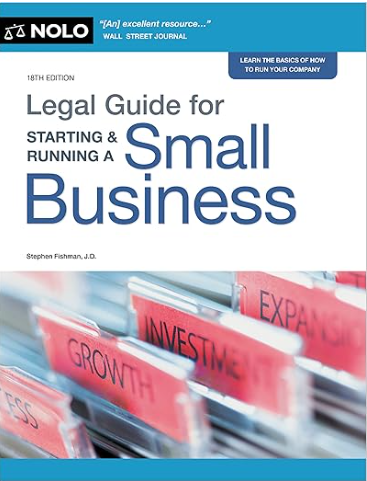
for more information you will buy& read this book: Legal Guide for Starting & Running a Small Business

Bonus Tip: Build a Support Network
You don’t have to navigate entrepreneurship alone. Join local business associations, networking groups, or online communities. Surrounding yourself with mentors, advisors, or fellow entrepreneurs gives you access to shared experiences, ideas, and resources. Attend seminars, workshops, and webinars to stay informed and inspired. A strong support network can open doors to partnerships, funding opportunities, and invaluable advice during tough times.
Owning a small business requires a combination of passion, planning, discipline, and adaptability. By following the ten principles outlined in this guide, you position your business for stability, growth, and long-term success. From creating a detailed business plan to leveraging digital marketing and building customer relationships, each step plays a vital role in shaping your entrepreneurial journey. Remember, consistent effort, continuous learning, and strategic decision-making will keep your business ahead of the curve in any industry , follow these 10 Best Guide for Small Business Owners.
Bonus Insight: How to Stay Competitive in a Crowded Small Business Market
The small business landscape is more crowded than ever before. With thousands of new entrepreneurs launching ventures every day, staying competitive requires more than offering a good product or service. It involves strategic thinking, innovation, and a deep understanding of both your market and your business capabilities. This bonus section explores key approaches that small business owners can use to maintain a competitive edge and build a loyal customer base following the 10 Best Guide for Small Business Owners.
Know Your Unique Selling Proposition (USP)
One of the most effective ways to stand out is by clearly defining what makes your business different. Your USP should communicate the core value that your product or service offers, which your competitors don’t. Whether it’s faster delivery, better quality, personalized service, or innovative design, this unique advantage should be consistently reflected in your messaging, branding, and marketing efforts , follow the 10 Best Guide for Small Business Owners..
Keep a Close Eye on Competitors
Competitor analysis should be an ongoing process, not a one-time activity. Monitor your competitors’ websites, social media accounts, pricing models, and customer feedback. Tools like SEMrush or Ubersuggest can help you understand what keywords your competitors are ranking for and how they’re engaging their audience. Identifying your competitors’ strengths and weaknesses allows you to strategically position your business to address unmet needs and gain a competitive edge.
Continuously Innovate and Improve
Innovation doesn’t always mean inventing something new. Sometimes, it means improving what already exists. Focus on streamlining operations, enhancing customer experience, or adding new features to your products or services. Use customer feedback to identify pain points and adapt your offerings accordingly. The businesses that grow are the ones that evolve with their customers’ needs and they follows the 10 Best Guide for Small Business Owners.
Leverage Customer Loyalty Programs
Maintaining loyal customers typically costs less and delivers higher returns than constantly pursuing new ones. Launch a loyalty program that rewards repeat purchases, referrals, or social media engagement. Offer exclusive discounts, early access to new products, or members-only content. A strong loyalty program not only boosts repeat business but also creates a sense of community around your brand.
Stay Educated and Adaptive
The most successful business owners never stop learning. Attend industry webinars, subscribe to business publications, join forums, and follow thought leaders in your niche. Keep up with changes in technology, market behavior, and customer preferences. Being proactive rather than reactive allows you to spot opportunities early and make decisions that keep your business relevant and following the 10 Best Guide for Small Business Owners.
Leveraging Data for Smarter Business Decisions
In today’s competitive market, data is one of the most valuable resources a small business can use to grow wisely. From customer preferences to buying behavior, analyzing relevant data helps entrepreneurs make informed decisions rather than relying on guesswork. By integrating tools like Google Analytics, Point-of-Sale reports, or customer feedback systems, businesses can track performance, understand market trends, and predict future demands following The 10 Best Guide for Small Business Owners.

Small businesses that utilize data effectively are better equipped to identify what products are performing well, which marketing campaigns are driving results, and what operational areas require adjustment. This approach leads to better budgeting, more personalized customer service, and higher overall efficiency.
Moreover, understanding data empowers business owners to set realistic goals and measure their progress over time. Whether it’s improving conversion rates, reducing costs, or increasing customer retention, data-driven strategies help eliminate waste and improve outcomes.
As technology becomes more accessible, even small enterprises can now adopt affordable tools to analyze and act on real-time data. This not only levels the playing field but also provides the agility needed to adapt quickly to market changes.
With the right data strategy in place, even small businesses can compete with larger brands by responding faster to market shifts, optimizing internal processes, and delivering value that meets evolving customer needs.
for more information you will buy& read this book: Legal Guide for Starting & Running a Small Business to learn deeply the 10 Best Guide for Small Business Owners…
related posts: Why Hostinger is the Best Choice 2025
N.B follow the 10 Best Guide for Small Business Owners to create a successful small business
also if you want more information , buy and read this book: Legal Guide for Starting & Running a Small Business